
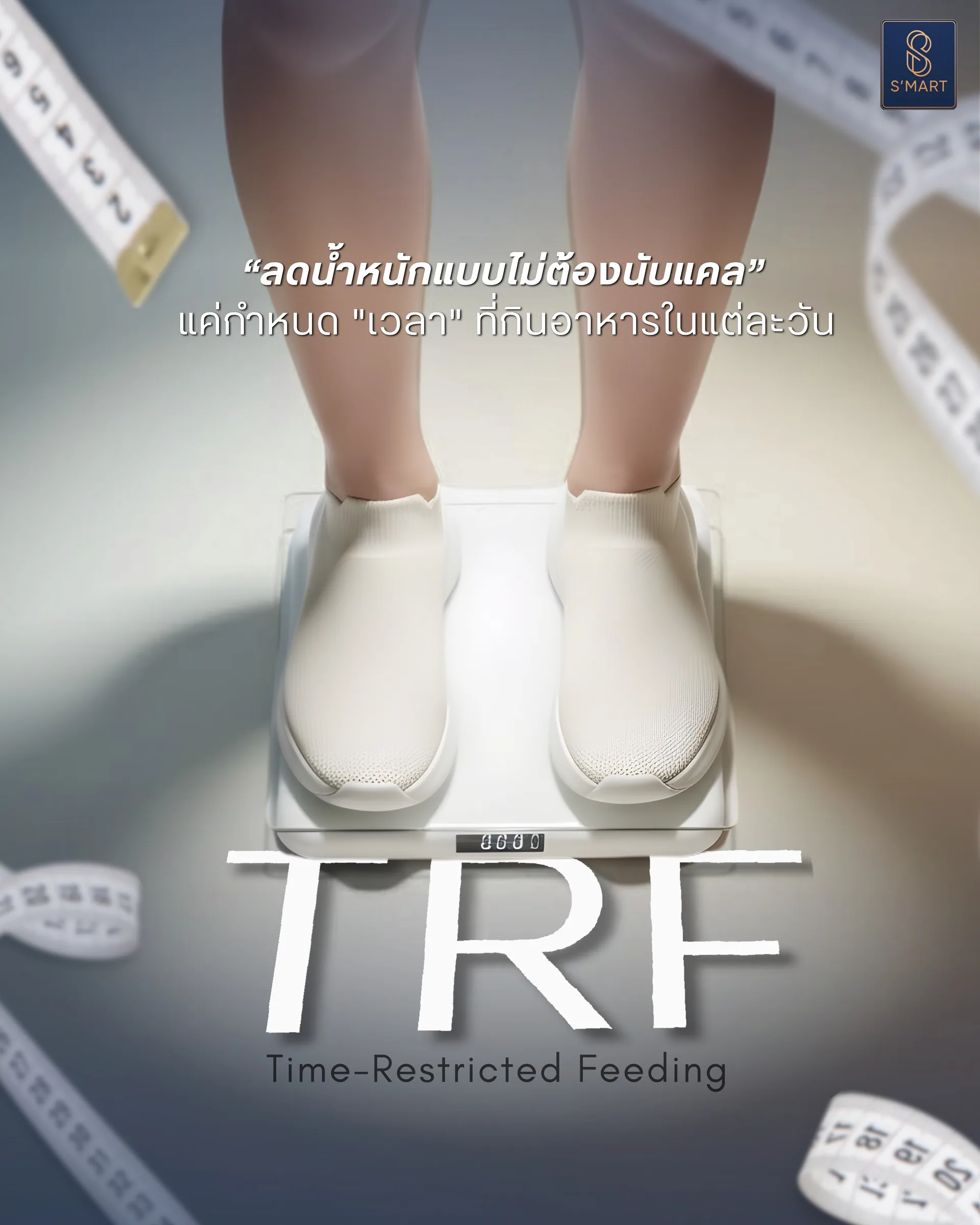
A Research-Backed Strategy That Really Works
Many people believe weight loss must begin with “eating less” or strict calorie counting.
But what if there’s a simpler method supported by international research that actually works?
It’s called Time-Restricted Feeding (TRF), a strategy that limits the number of hours you eat each day.
What Did the Research Find?
A study published in JAMA Internal Medicine found that restricting daily eating to just 4 hours or 6 hours led to weight loss even without intentional calorie restriction.
So how can simply changing when you eat help you lose weight?
Let’s break it down.
What Is Time-Restricted Feeding (TRF)?
TRF focuses on defining two daily periods:
- An eating window
- A fasting window
For example:
- 4-hour window – For those who want faster results
- 6-hour window – Easier for beginners
During the remaining fasting hours, your body gets a break from digestion and shifts to using stored energy (fat) as fuel.
✔ No calorie counting
✔ No special foods required
✔ No extreme workouts
✔ Just structured timing
How the Study Was Designed
Researchers divided adults with obesity (BMI 30–50) into three groups:
1️⃣ 4-Hour TRF Group
- Ate only between 3:00 PM – 7:00 PM
- Fasted for 20 hours daily
- Could eat freely within the window
- Total calorie intake naturally decreased
2️⃣ 6-Hour TRF Group
- Ate between 1:00 PM – 7:00 PM
- Fasted for 18 hours daily
- Easier for beginners
3️⃣ Control Group
- No time restriction
- No dietary advice
- Asked only to maintain their weight
The study lasted 10 weeks.
What Did Researchers Measure?
They tracked changes in:
✔ Body weight
✔ Blood pressure
✔ Blood lipid levels
✔ Insulin levels
✔ Inflammation
✔ Oxidative stress
✔ Program adherence
The goal was to see whether TRF alone without changing diet quality could produce weight loss.
The Results?
Both the 4-hour and 6-hour groups lost weight.
Participants also showed improvements in several metabolic markers. Most importantly, the approach was practical and sustainable in real-life settings.
Why Is TRF So Popular?
Because it’s:
- Less stressful than calorie counting
- More flexible than restrictive dieting
- Realistic for everyday life
- Backed by scientific research—not just trends
TRF = Manage Time, Not Food Quantity
If you struggle with strict diets, try shifting your focus from how much you eat to when you eat.
Research suggests that sometimes, timing makes all the difference.
Research Reference
Lowe, D. A., et al. (2020). Effects of time-restricted eating on weight loss. JAMA Internal Medicine. https://doi.org/10.1001/jamainternmed.2020.415353


