
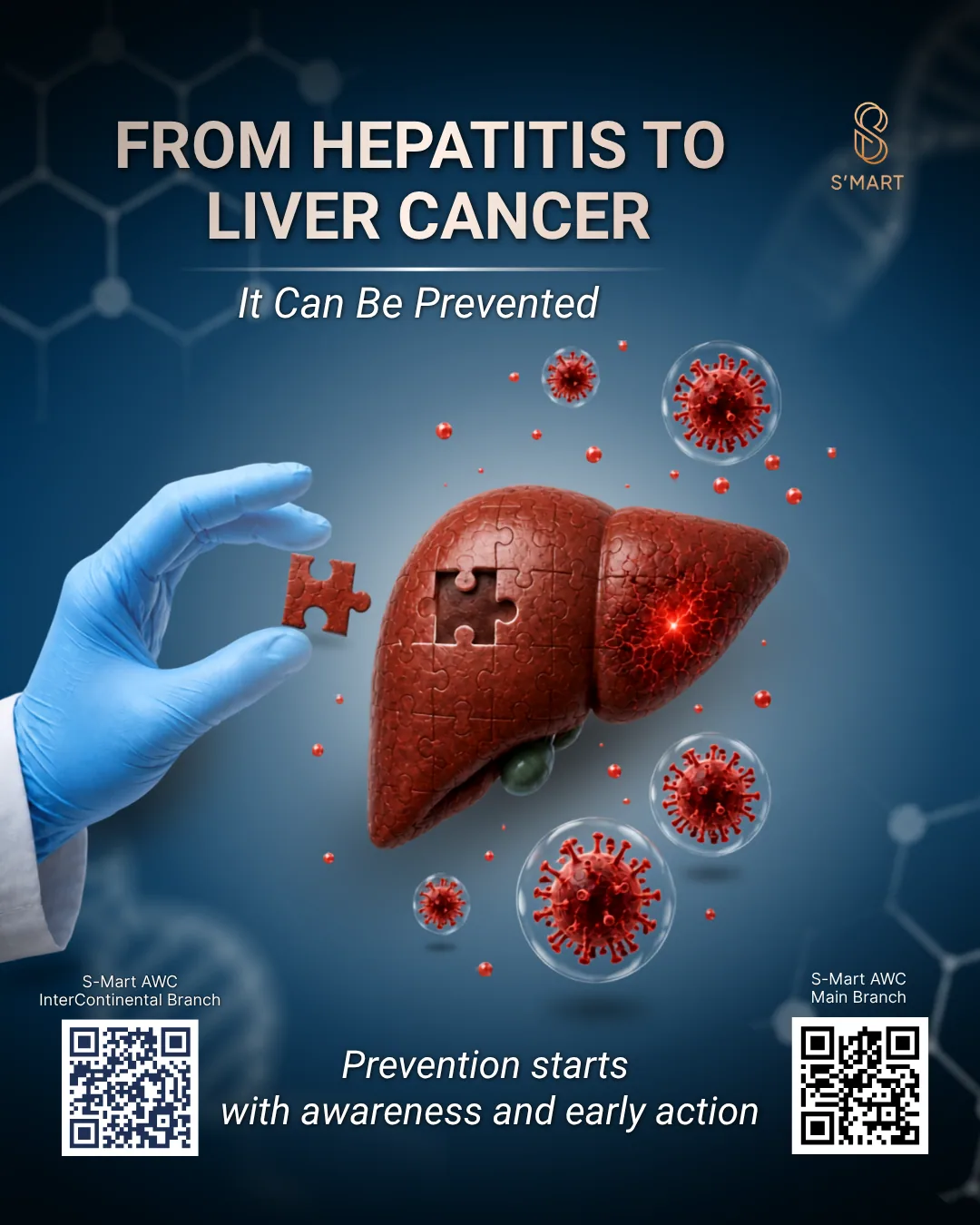
Viral Hepatitis: A Silent Threat That Can Lead to Liver Cancer
Viral hepatitis, especially hepatitis B virus (HBV) and hepatitis C virus (HCV), is a major cause of liver disease burden and hepatocellular carcinoma worldwide. Many infected people do not know that they carry the virus until symptoms of liver disease appear. This is why early prevention, also known as primary prevention, is considered a key strategy in stopping disease progression.
The Key to Better Liver Health: Screening and Early Treatment
A systematic literature review on strategies for preventing liver disease and liver cancer found that proactive measures can provide meaningful benefits for patients, including the following:
- Universal Screening: Universal screening for viral hepatitis in the population helps detect infected individuals earlier. This is an important first step in reducing the incidence of liver disease.
- Early Treatment: Receiving antiviral treatment during the early stages of liver inflammation can clearly reduce the risk of cirrhosis and liver cancer. Evidence suggests that treatment started before the liver is severely damaged, such as during stages F0–F2, leads to better health outcomes than starting treatment after advanced liver damage has already occurred.
- Vaccination: For hepatitis B virus, universal vaccination is one of the most effective measures for reducing the disease burden at the population level.
Conclusion: Why Should We Pay Attention?
Primary prevention strategies are an essential foundation for liver health, especially among high-risk populations. Universal screening and early treatment are directly linked to better health outcomes, including a reduced risk of hepatocellular carcinoma, lower rates of cirrhosis, and fewer liver disease-related deaths.
Lewandowska, M., Cai, S., Wijekulasuriya, S., Dharmayani, P. N. A., Carrigan, A., Goodall, S., Boutros, R., George, J., Zekry, A., & Zurynski, Y. (2026). Economic evaluations of the primary prevention programs for viral hepatitis-related liver disease and liver cancer: A systematic literature review. Cost Effectiveness and Resource Allocation, 24(1), 47. https://doi.org/10.1186/s12962-026-00727-y


